The information on this website is general in nature and does not take into account your objectives, financial situation, or needs. Consider seeking personal advice from a licensed adviser before acting on any information.
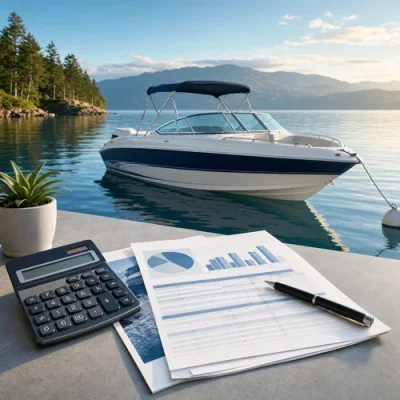
Buying a boat is a thrilling venture, promising days of sunshine on the waves and the freedom to explore open waters. However, it's crucial to recognise the financial commitment that boat ownership entails. Without careful planning, costs can quickly escalate, leading to financial strain. Budgeting is not just about affordability; it's about ensuring a smooth voyage into boat ownership.
Understanding and preparing for the financial obligations that come with a boat can save you from future headaches. A well-planned budget allows you to allocate funds wisely, covering both the purchase price and ongoing expenses such as maintenance, insurance, and storage. Moreover, a realistic budget helps in avoiding overspending on a boat that ultimately sits unused in the dock.
This guide offers a crucial look at budgeting topics for boat enthusiasts. We will explore how to set a sensible budget, the implications of financing, the true cost of ownership, and tips for financial management. With these insights, you’ll be better equipped to make informed decisions, ensuring that your boat ownership experience is financially sound and rewarding.
Assessing Your Financial Situation
Evaluating Your Current Financial Health
Before embarking on any major purchase, it's vital to have a clear picture of your financial health. Start by examining your current income, expenses, savings, and debts. Understanding these components gives you a realistic idea of your financial standing.
Consider your monthly cash flow. Are there areas where you can cut back to allocate more funds towards your dream boat? Look at any outstanding debts, such as credit cards or mortgage payments, and ensure that acquiring a boat won't impact your ability to meet these obligations. This clarity is crucial before entering into another financial commitment.
Determining How Much You Can Realistically Spend
Once you've assessed your financial health, determine how much you can realistically afford to spend on a boat. Take into account not just the purchase price but also additional expenses such as taxes, registration, and initial setup costs. These can add up quickly, and it's essential to factor them into your budget.
Avoid stretching your finances too thin. Make sure that you are setting aside funds for regular expenses and emergencies while still leaving room for a comfortable boat purchase.
Setting a Maximum Budget for Your Boat Purchase
Setting a maximum budget is a pivotal step in the boat-buying process. Take the time to establish a hard cap that includes the total cost of the boat plus any associated expenses. Remember, it's always better to set a conservative budget to avoid financial stress down the line.
Keep in mind your long-term financial goals. While it's tempting to splurge on a luxurious model, sticking to a budget ensures you can enjoy your boat without financial regrets. By assessing your situation thoroughly, you can make a confident decision on your maximum budget.
Identifying the Costs of Boat Ownership
Breaking Down the Initial Purchase Price
When buying a boat, the sticker price is just the beginning. It's essential to understand all the elements involved in the initial purchase price. Apart from the base price, consider taxes, dealer fees, and potential upgrades you might want to add to your boat. All these can inflate the total cost significantly, so it’s wise to plan for these additional charges upfront.
Also, consider whether you’re purchasing new or second-hand, as this will greatly impact your budget. A used boat might have a lower upfront cost, but it's essential to factor in any immediate repairs or maintenance it might require. Assess these factors carefully to avoid any surprises during the purchasing process.
Understanding Registration and Insurance Expenses
Beyond the purchase price, registering your boat and obtaining adequate insurance are crucial steps that'll incur additional costs. In Australia, boat registration fees depend on the type and size of the vessel, and these need to be budgeted for annually.
Insurance is another necessary expense to protect your investment from unforeseen events. Premiums can vary widely, depending on factors like the boat's size, value, and how you plan to use it. Always shop around for both registration and insurance to find the best deals without compromising on coverage.
Exploring Maintenance, Fuel, and Docking Fees
Ongoing costs such as maintenance, fuel, and docking fees are part of boat ownership that must be considered in your budget. Regular maintenance is vital to keep your boat in top shape, and it can range from small repairs to larger, more costly overhauls.
Fuel costs can add up quickly, especially if you plan on long cruising trips or frequent outings. Docking fees are another regular expense and can vary depending on your location and the type of marina facilities you choose. Including these in your budget ensures you're prepared for the full scope of costs associated with owning and running a boat.
Types of Boats and Their Impact on Your Budget
Comparing Costs Between Sailboats, Motorboats, and Others
Choosing the right type of boat is a major decision that will significantly affect your budget. Sailboats and motorboats are the most common options, each offering distinct features and costs. Generally, sailboats might have a higher upfront purchase price due to their complex rigging and sails, but they often come with lower fuel costs since they rely primarily on wind power.
On the other hand, motorboats can be less expensive initially, but you need to account for fuel, which can add up quickly, especially for high-performance models. Other options, like catamarans or fishing boats, bring their own set of costs and benefits, depending on the intended usage. Understanding these differences helps you make an informed decision on which type of boat aligns best with your budgetary constraints.
Considering New vs. Used Vessels in Your Budget
The choice between buying new or used is crucial in budgeting your boat purchase. New boats come with the latest features and warranties, providing peace of mind in reliability but at a premium cost. Used boats, while cheaper upfront, may require additional spending on repairs and maintenance. However, they often offer the opportunity to buy more boat for your money, if you're willing to manage potential hidden costs.
It's essential to conduct thorough inspections and possibly hire a marine surveyor when considering used boats. This careful evaluation can ensure you’re not surprised by unforeseen expenses, making it a critical step in the boat-buying process.
Evaluating the Long-Term Value and Depreciation
Depreciation impacts a boat's long-term cost, making it an important factor to consider. New boats typically depreciate more quickly than used ones, affecting resale value and future budgeting. Assessing how well different types and models hold their value over time is key in making a financially sound decision.
Sailboats generally depreciate more slowly compared to motorboats, which can be advantageous if you plan to sell the boat later. Understanding these dynamics helps in deciding between models and whether it’s financially prudent to allocate more budget towards a type of boat that retains value over the years.
Exploring Financing Options
Pros and Cons of Different Financing Methods
Financing a boat can make the purchase more manageable by spreading the cost over time. There are several financing options available, each with its own advantages and disadvantages. Bank loans are a popular choice, offering competitive interest rates and terms, but they often require a strong credit score and substantial paperwork.
Dealer financing, on the other hand, might offer more convenience and promotional rates, but it could come with higher interest rates once the initial offer expires. Personal loans are another option, providing flexibility without needing collateral, though the rates are typically higher than secured loans. Each method should be evaluated carefully to determine which aligns best with your financial situation and boat ownership goals.
How to Find the Best Boat Loan Rates in Australia
Securing the best loan rate can significantly impact your overall budget. Start by researching and comparing different lenders in Australia, such as banks, credit unions, and online loan providers. Consider pre-qualification offers that allow you to understand potential rates and terms without impacting your credit score.
It's also worth consulting a financial advisor who can provide insights and recommendations tailored to your situation. Don’t hesitate to negotiate terms with lenders; a slightly lower interest rate can lead to significant savings over the course of the loan. Combining thorough research with professional advice will help you find the most suitable financing option.
Understanding the Impact of Interest Rates on Your Budget
Interest rates play a crucial role in determining your loan's affordability. A higher interest rate increases the total repayment amount, significantly affecting your monthly budget. Understanding how different rates influence your payments is vital to avoid financial strain.
Consider using an online loan calculator to simulate various scenarios. This tool can help you comprehend the impact of different rates, loan amounts, and terms on your monthly budget. Staying informed allows you to choose a financing option that fits comfortably within your financial plans, preventing excessive borrowing that could jeopardize your financial stability.
Planning for Ongoing Expenses
Creating a Maintenance Schedule and Budget
A proactive maintenance schedule is essential to ensure your boat remains in top condition and prevents costly repairs. Regular servicing, cleaning, and minor repairs should be part of your routine. Scheduling these tasks can help you spread out costs and avoid overwhelming expenses at once.
Create a budget that covers both routine and preventive maintenance. This should include regular inspections, engine servicing, and hull cleaning, among other needs. Allocate a specific amount each month or year to make maintenance more manageable, preventing the need for emergency funding when something unexpected occurs.
Estimating Yearly Operational Costs
Operational costs include essential elements like fuel, mooring fees, and insurance. These recurring expenses vary based on your boat type and usage frequency. Estimating these costs accurately is crucial in maintaining a realistic yearly budget.
Factor in prices for fuel, which can fluctuate based on location and current market rates, as well as differing mooring fees depending on marina facilities. Regularly review these operational costs to adjust your budget as needed, ensuring all recurring expenses are accounted for without financial strain.
Setting Aside Funds for Unexpected Repairs or Upgrades
No matter how well you plan, unexpected repairs or the need for upgrades can arise. It's prudent to set aside a contingency fund specifically for these unforeseen events. This reserve ensures you can handle surprise expenses without impacting your overall financial stability.
Consider allocating a percentage of your annual budget to this fund based on your boat's age and condition. Staying prepared for potential upgrades, such as enhanced navigational equipment or safety features, also allows for smoother transitions, reducing the stress and financial impact of surprise outlays. With a well-planned budget, these unexpected costs become manageable rather than burdensome.
Maximising Savings on Boat Ownership
Shopping Around for Competitive Prices on Essentials
One of the easiest ways to save money on boat ownership is by shopping around for the best prices on essentials. Start with items like maintenance supplies, fuel, and insurance. Comparing prices from different vendors can lead to significant savings over time.
Remember, you don’t have to settle for the first quote or product you come across. You do have the option to take the time to explore multiple options. Online reviews and consumer reports are excellent resources for finding affordable, quality products and services. By strategically sourcing your boating essentials, you can effectively manage your costs without compromising on quality or safety.
Exploring Community Resources for Advice and Assistance
Tapping into the boating community is another excellent way to maximise your savings. Join local boating clubs or online forums to connect with experienced boat owners willing to share tips and advice. These communities often offer insights into cost-effective practices and trusted service providers.
Additionally, group purchasing or shared resources within these communities can offer further discounts. By leveraging the collective knowledge and bargaining power of your local boating network, you can uncover opportunities for savings that may not be immediately apparent as an individual buyer.
Taking Advantage of Tax Deductions and Incentives
In Australia, there may be tax deductions and incentives related to boat ownership that you can benefit from, especially if you use your boat for business purposes. These deductions can offset some of your costs, making your overall ownership more affordable.
Consult with a tax professional to understand your eligibility for any such deductions. They can guide you through the specifics and ensure you’re taking full advantage of available financial incentives. Staying informed about these options can significantly reduce the financial burden of boat ownership.
Common Budgeting Pitfalls and How to Avoid Them
Avoiding Impulse Purchases and Emotional Decisions
Buying a boat is an exciting prospect, but it's crucial not to let emotions control your purchasing decisions. Impulse buys driven by excitement can lead to financial strain, especially if the boat you purchase is beyond your actual budget or needs.
It's important to take a step back, research thoroughly, and consider how each choice fits within your financial plan. Avoid rushing the decision-making process. Set clear criteria for what you need in a boat and use this as a guide to prevent straying from your budget.
Not Underestimating the Total Cost of Ownership
One of the biggest pitfalls in boat ownership is underestimating the total cost involved. Beyond the initial purchase price, there are numerous ongoing expenses like maintenance, insurance, and fuel that need to be factored into your budget.
Failing to account for these additional costs can quickly lead to financial stress. A comprehensive understanding of all possible expenses is crucial. This includes preparing for less obvious costs that might emerge, such as unexpected repairs or upgrades.
Keeping Track of Your Expenses Regularly
Consistent expense tracking is key to maintaining a healthy boat budget. Without regular monitoring, you're likely to lose sight of where your money is going, making it difficult to adjust as needed.
Utilise tools or apps designed for budgeting to help keep your finances organised. Regular reviews of your spending against your budget will assist in identifying areas where costs can be reduced. This practice ensures you remain on track and avoid unnecessary financial surprises.
Conclusion: Setting Sail with Financial Confidence
Strategic budgeting is more than just a financial exercise; it’s the compass guiding you towards a rewarding boat ownership experience. As we've explored, understanding the full scope of costs, both upfront and ongoing, is critical to enjoying your boat without unnecessary financial stress.
By thoroughly assessing your financial situation, considering all associated expenses, and exploring financing and savings options, you create a robust foundation for your boat purchase. This thoughtful approach ensures that your investment brings joy rather than strain.
It's equally important to continuously evaluate your financial health. Regular assessments and adjustments keep your budget aligned with your current circumstances and future goals. Embracing this proactive mindset allows you to navigate any financial challenges with ease.
With a strong budget and financial plan in place, you're empowered to pursue your boating dreams confidently. By embarking on this journey wisely, you can enjoy the waters knowing that you've set sail with financial security and control.
Published: Friday, 20th Feb 2026
Author: Paige Estritori




No comments yet. Be the first to share your thoughts.